
A Yard You'll Love Coming Home To
We design, build and maintain beautiful outdoor spaces.
Football Field Synthetic Turf in Omaha
Built for Peak Performance
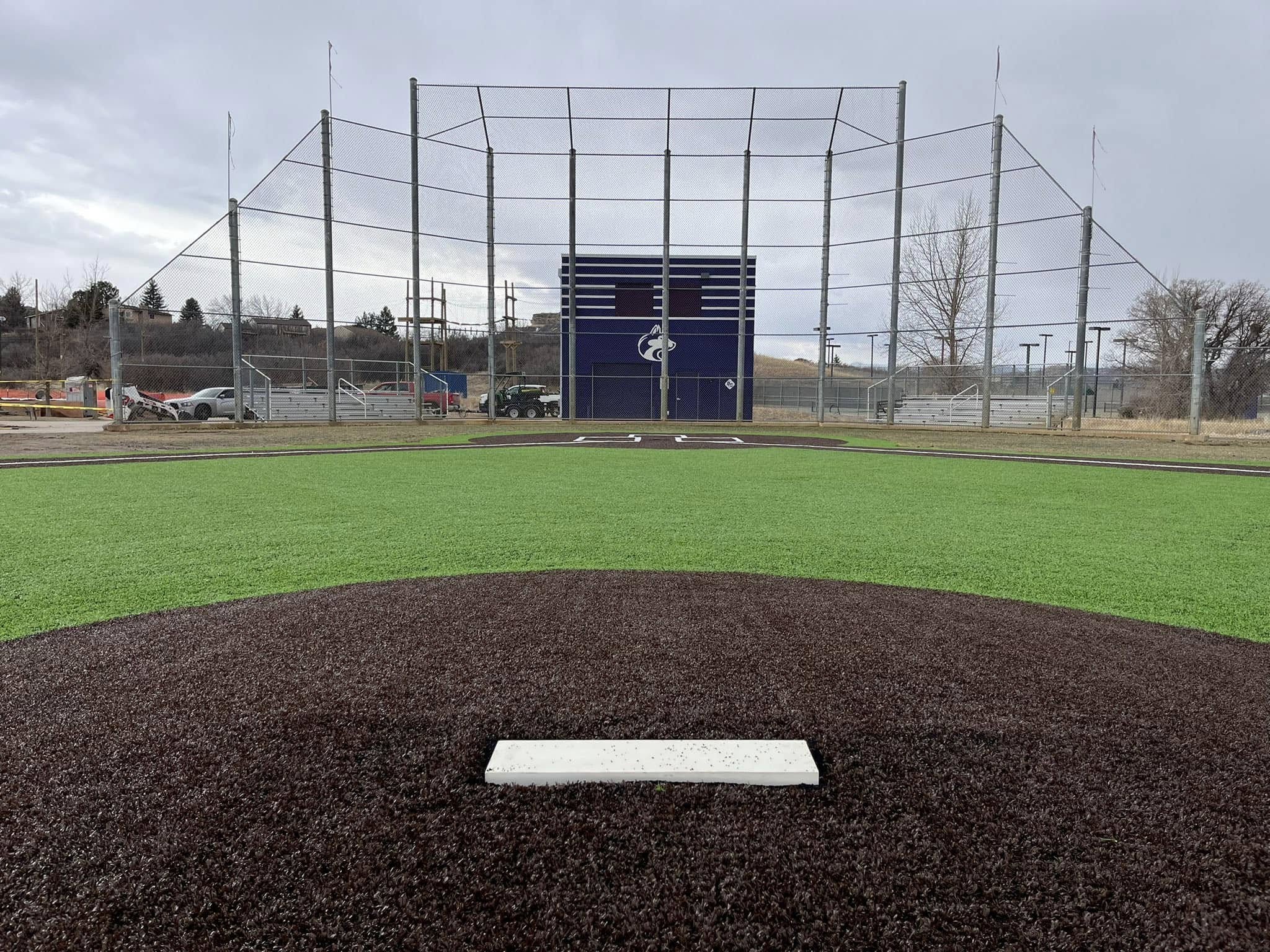
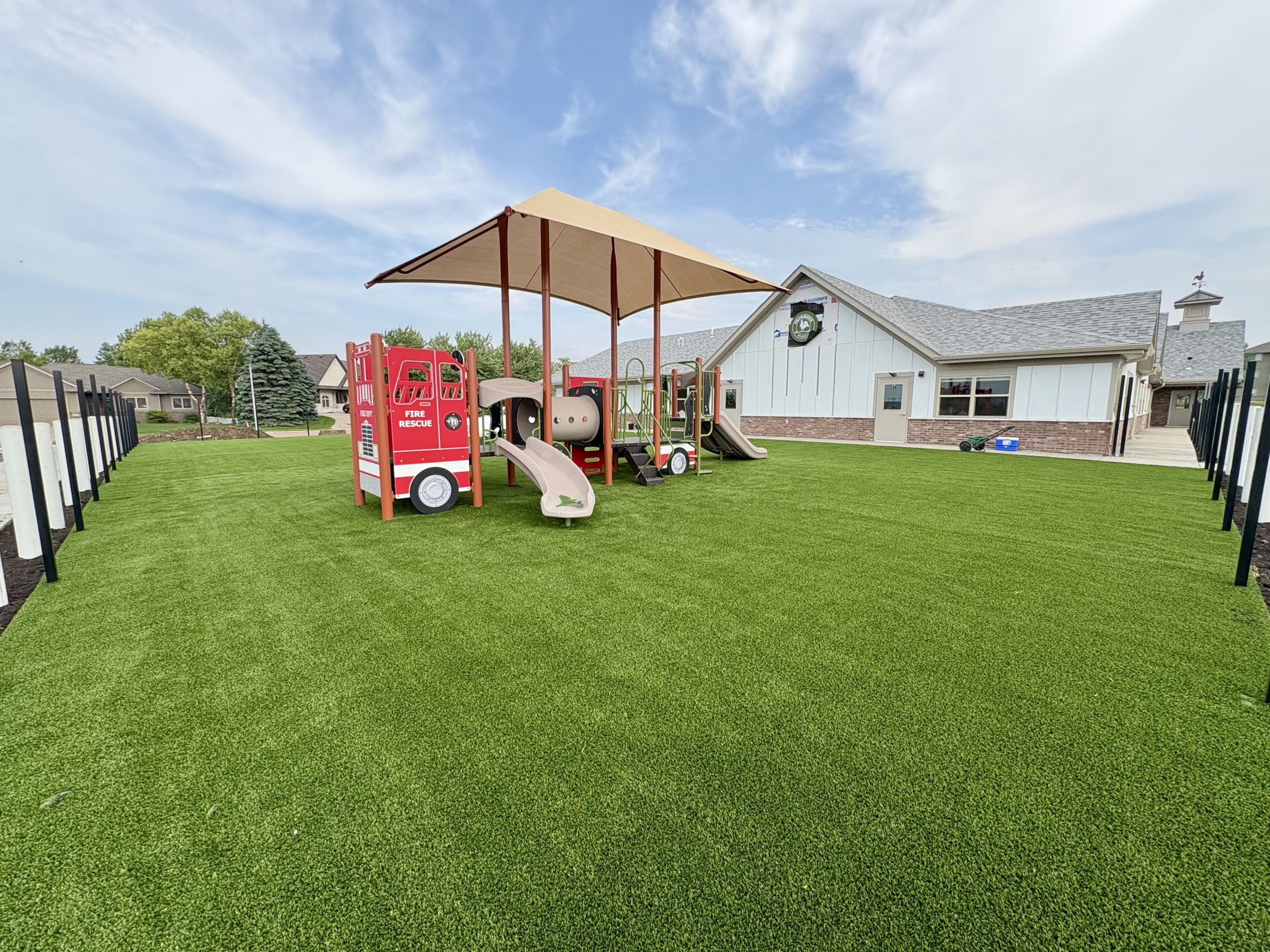
Football Turf Omaha
Professional Game Ready Synthetic Turf
When Friday night lights hit an Omaha football field, the playing surface needs to perform as hard as the athletes on it. Real grass struggles with our Nebraska weather—spring rain creates mud pits, summer heat burns patches brown, and fall freeze-thaw cycles turn fields into safety hazards. That's where quality synthetic turf changes the game.
Modern football field turf has come a long way from the carpet-like surfaces of the 1980s. Today's systems use engineered fibers, shock-absorbing padding, and infill materials designed specifically for high-impact sports. The result? A surface that plays consistently in any weather, reduces player injuries, and stands up to thousands of hours of use.
Synthetic Turf Installation
Installing a football field isn't like rolling out carpet in your living room. The process starts with grading and drainage—critical in Omaha where spring storms can drop inches of rain overnight. We excavate 8-12 inches, install a crushed stone base with perforated drainage pipes, then add a precise grading layer. The synthetic turf gets seamed together with specialized adhesives, infilled with rubber granules and sand, and groomed to exact specifications. Every step matters for player safety and field longevity.
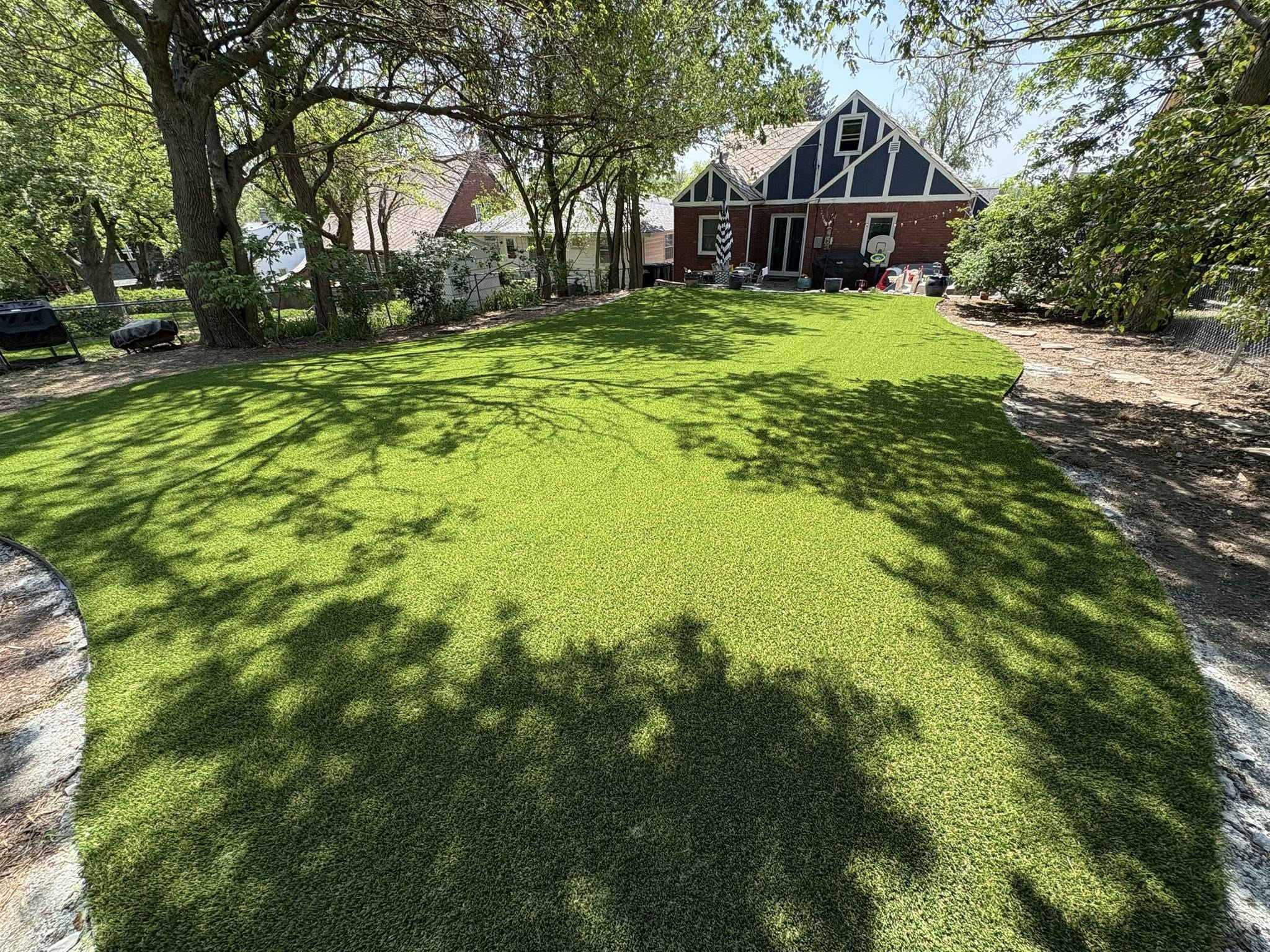
Athletic Field Turf
Athletic fields take a beating that residential lawns never see. Cleats dig in, players pivot hard, and the same spots get hammered play after play. Quality athletic turf uses monofilament fibers with a thatch layer that mimics natural grass structure. The padding underneath—usually foam or rubber shock pads—absorbs impact to protect knees and ankles. Omaha schools have switched to synthetic because it means no more cancelled practices due to wet fields and no expensive resodding every few years.
Sports Field Construction
Building a sports field from scratch requires careful planning. We handle everything: site evaluation, drainage design, base preparation, turf selection, and final installation. The key is getting the foundation right—Omaha's clay soil doesn't drain well, so proper stone base and drainage pipes prevent water from pooling. We also consider field orientation (north-south reduces sun glare), surrounding facilities, and future maintenance access. A well-built field lasts 10-15 years with proper care.
Turf Field Maintenance
Synthetic turf isn't maintenance-free, but it's far easier than natural grass. Regular grooming with a power broom keeps fibers upright and infill evenly distributed. We remove debris, sanitize high-use areas, and check seams for separation. Twice yearly deep cleaning removes compacted material and refreshes the infill. Omaha's cottonwood trees mean extra cleanup in spring, but that's still easier than mowing, watering, fertilizing, and aerating grass fields year-round.
Where You Can Use Our Turf
Multi-Sport Field Surfaces
Many Omaha schools need fields that work for football, soccer, lacrosse, and band practice. Multi-sport turf uses slightly shorter pile height and specific infill that performs well for different activities. We can add removable field markings for different sports or permanent striping for primary use. The versatility means one surface serves multiple teams and activities, maximizing your investment and field availability.
Making the Switch to Synthetic
Omaha athletic directors often ask about upfront costs versus long-term savings. Yes, synthetic turf costs more initially than sod. But factor in water bills, mowing crews, fertilizer, aeration, overseeding, and field downtime for recovery—synthetic pays for itself in 5-7 years. More importantly, your teams get consistent practice time regardless of weather, and players compete on a safer, more predictable surface.
Local schools from Millard to Elkhorn have made the transition. The fields look sharp, play fast, and hold up through our tough Nebraska seasons. Whether you're replacing worn natural grass or building a new facility, modern synthetic turf delivers performance that keeps Omaha athletes playing at their best.
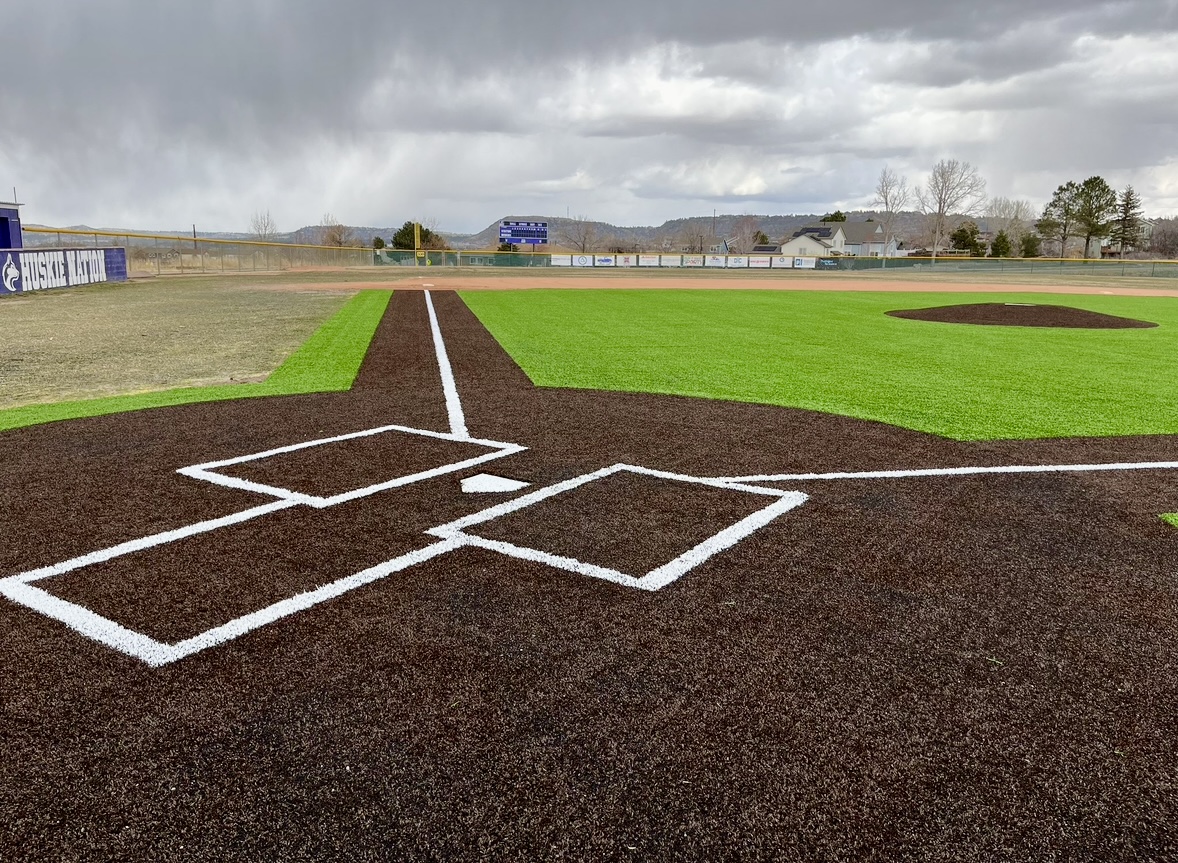
200+ Projects Completed
200+ Satisfied Customers
20+ Years of Experience
Additional Uses for Synthetic Turf
From backyards to ball fields, we’ve been busy building game-ready spaces across Nebraska and the entire midwest. Below you’ll find a selection of our recent work — including residential turf installs, putting greens, playgrounds, sports fields, and more.
Whether you’re looking for ideas or want to see the quality of our work up close, this is a great place to start.
Ready to kick off your project?
Choosing the Right Synthetic Turf Product
Not all synthetic turf works for football. Fiber type, infill composition, shock pad thickness, and backing durability all affect how the field plays and how safe it is for athletes. Baseball fields might use longer fibers with different infill. Soccer fields have their own specifications. Football demands specific performance standards.
We guide schools through product selection based on actual game conditions. High-impact areas like hash marks and goal lines need the most durable fiber systems. Practice fields might use different specifications than game fields. The shock absorption layer varies based on whether you're installing on concrete, asphalt, or compacted stone base.
Drainage capacity is non-negotiable for Omaha football fields. Spring storms can dump 3-4 inches of rain in hours, and games can't wait for fields to dry. Football turf systems need drainage rates of 30+ inches per hour to clear water quickly. We design the base layer with proper slope and perforated pipes that channel water away from the playing surface, so teams never lose field time to standing water.
Frequently Asked Questions
What services do you offer?
We provide lawn care, garden design, maintenance, irrigation, tree trimming, and hardscaping.

How much will my landscaping project cost?
Costs depend on the size and complexity of the project. We offer free estimates based on your needs.
How often should I schedule maintenance?
Typically, lawn and garden maintenance is done every 1-2 weeks during the growing season, but we can customize a schedule for you.
Do you provide custom landscape designs?
Yes! We create personalized designs that match your style and needs.
What is the best way to water my lawn and plants?
We recommend installing an irrigation system and following proper watering practices based on your plants and soil. We can guide you on the best approach.
Get Your New Gridiron Today
Ready to eliminate rainouts and mud delays? Omaha's weather won't change, but your field performance can. We'll assess your current situation, explain realistic options, and provide straight answers about costs and timelines. Contact us for a site evaluation and see what modern baseball field turf means for your program.
COMPANY
CUSTOMER CARE
LEGAL
FOLLOW US


© Copyright 2026. ProGame Turf and Recreation. All Rights Reserved.